Step-by-Step Guide to Organizing a Beach Cleanup
A thorough guide to planning and executing a community beach cleanup, tied to CleanHub’s plastic removal initiative.
Rudy van Gelderen
7/24/20257 min read
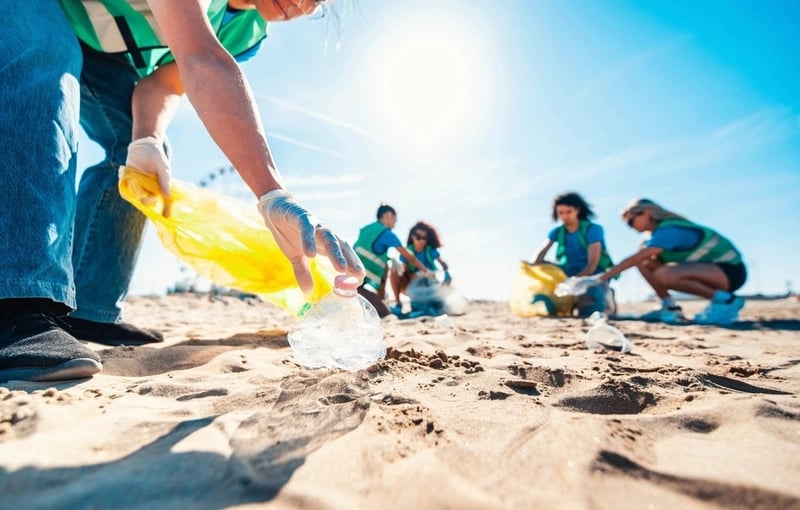
Table of Contents
Introduction: Why I Started Cleaning Beaches
The Impact of Ocean Plastic and Why Cleanups Matter
How Bon Beachie and CleanHub Inspire Action
Step 1: Choose Your Beach and Set a Goal
Step 2: Gather Your Crew
Step 3: Plan the Logistics
Step 4: Partner with Local Organizations
Step 5: Promote Your Cleanup
Step 6: Gear Up for the Day
Step 7: Execute the Cleanup
Step 8: Sort and Dispose of Waste
Step 9: Celebrate and Reflect
Step 10: Share Your Story
Conclusion: Your Cleanup Can Change the Ocean
Introduction: Why I Started Cleaning Beaches
The first time I joined a beach cleanup, I was nervous. I’d seen photos of littered shores, but standing on a local beach with a bag in hand, picking up plastic straws and bottle caps, felt different. It was 2020, and I’d just moved to a coastal town. The sight of a plastic bag tangled in the bushes pushed me to act. That day, our small group collected 15kg of trash in an hour, and I was hooked. It wasn’t just about cleaning. It was about community, purpose, and giving back to the ocean.
Organizing a beach cleanup might sound daunting, but it’s one of the most rewarding things you can do. With plastic pollution dumping 8 million metric tons into our oceans yearly, every bag of trash you collect matters. This step-by-step guide will walk you through planning and executing a community beach cleanup, inspired by CleanHub’s work recovering over 1,000 tons of plastic since 2019. Whether you’re a newbie or a seasoned eco-volunteer, let’s make your cleanup a success.
The Impact of Ocean Plastic and Why Cleanups Matter
Plastic pollution is a beast. CleanHub reports that 80% of ocean plastic comes from land, with 300,000 tons littering coastlines annually. That’s bottles, nets, and wrappers choking marine life and breaking into microplastics that end up in our food chain. I’ll never forget finding a bird tangled in a plastic ring on my first cleanup. Over 1 million seabirds and 100,000 marine mammals die yearly from plastic, per Ocean Conservancy.
Beach cleanups are a direct way to fight back. They remove trash before it drifts out to sea, protect wildlife, and make beaches safer for everyone. Plus, they build community. I’ve seen kids and grandparents working side by side, laughing as they fill bags with trash. Cleanups also raise awareness. Every piece of plastic you pick up is a story you can share. And with efforts like CleanHub’s, which empower local communities to collect waste, your cleanup becomes part of a global movement.
How Bon Beachie and CleanHub Inspire Action
Bon Beachie’s mission is simple but powerful: every purchase, like our Watertight Wristband Phone Pouch, removes 1kg of plastic from beaches and oceans. It’s the kind of idea that makes you feel good about buying gear.
Our partner, CleanHub, takes it to the next level. Operating hubs in places like Bali and Tanzania, they’ve collected over 1,000 tons of plastic waste by working with local communities to sort and recycle waste. Their transparency, tracking every kilo through their app, shows how small actions scale. Organizing a cleanup is your chance to join this mission.
Step 1: Choose Your Beach and Set a Goal
Start by picking a beach that needs love. I chose my local beach because I walked it daily and knew it had litter hotspots. Check with local authorities or environmental groups to find beaches with high plastic pollution. CleanHub’s data highlights coastal areas in Southeast Asia, but even your nearby shore could use a cleanup.
Set a clear goal: Is it to collect a certain amount of trash (e.g., 20kg)? Raise awareness? Engage the community? My first cleanup aimed to fill five bags and get 10 people involved. Clear goals keep you focused and make the event feel achievable.
Pro Tip: Visit the beach beforehand to scope out litter types and access points.
Step 2: Gather Your Crew
A cleanup is better with friends. I started by texting my hiking group, and five said yes right away. Reach out to friends, family, coworkers, or local schools. Post on community boards or social media with hashtags like #BeachCleanupGuide or #EcoVolunteering. Aim for a manageable group, like 10 to 20 people is great for a first event.
Why It Works: A mix of ages and backgrounds makes it fun and spreads the word.
My Experience: I got a local bar to join, and they brought their staff, turning it into a team-building day.
Step 3: Plan the Logistics
Planning is key to a smooth cleanup. Pick a date and time. Early mornings work best to beat the heat and crowds. I chose a Saturday at 8 AM, and it was perfect. Check tide schedules to avoid high water, and confirm no permits are needed (some beaches require them).
Decide on a meeting point, like a parking lot or beach entrance. Plan for 1–2 hours. That's enough to make an impact without exhausting everyone. Create a rough schedule: 15 minutes for intros, 60 minutes for cleaning, and 15 minutes for wrapping up.
Checklist: Map of the area, safety guidelines (watch for sharp objects), and a backup plan for bad weather.
Step 4: Partner with Local Organizations
Teaming up with local groups amplifies your impact. I reached out to a nearby surf club, and they provided gloves and bags. Contact environmental nonprofits, like Surfrider Foundation, or local businesses. CleanHub’s model shows how community partnerships work. They collaborate with locals to collect plastic, so why not follow their lead?
How to Do It: Email or call groups with a clear pitch: “We’re hosting a cleanup to reduce plastic waste. Want to join?”
Bonus: Partners might share your event, bringing more volunteers.
Step 5: Promote Your Cleanup
Spread the word to get a crowd. I posted in WhatsApp groups and shared a post on Instagram with a photo of our beach’s litter problem. Use platforms like Facebook or Nextdoor, and include details: date, time, location, and what to bring. Hashtags like #OceanPlasticRemoval or #CommunityEnvironmentalAction help reach eco-conscious folks.
My Tip: Share a personal story, like why the beach matters to you.
Pro Tip: Create a simple graphic with Canva to make your post pop.
Step 6: Gear Up for the Day
Gather supplies to make the cleanup safe and effective. I learned to bring more gloves than I thought we’d need. Someone always forgets. Here’s what you’ll need:
Reusable bags or buckets for collecting trash.
Gloves (gardening or work gloves work great).
Tongs or grabbers for sharp or gross items.
Sunscreen and water bottles (reusable, of course).
I also brought my Bon Beachie wristband phone pouch to take photos and videos without worrying about sand or water. It’s a small way to tie your cleanup to the broader mission of ocean plastic removal.
Step 7: Execute the Cleanup
On the day, keep it fun and organized. I started our cleanup with a quick welcome, explaining why we were there and how to stay safe (e.g., avoid broken glass). Divide the beach into zones to cover more ground. My group split into pairs, which made it feel like a treasure hunt.
Encourage everyone to focus on plastic, bottles, straws, nets, but collect other trash too. CleanHub’s hubs sort plastics for recycling, so you can do the same. Keep the vibe light: play music or share stories as you go.
Safety Tip: Have a first-aid kit and a designated leader to handle any issues.
Step 8: Sort and Dispose of Waste
Sorting is where the magic happens. CleanHub’s hubs taught me the importance of separating recyclables from non-recyclables. Set up bins or bags for plastics, glass, and general waste. I was surprised how much of our haul, about 60%, was recyclable plastic bottles and containers.
Take the sorted waste to a local recycling center or designated bins. If you’re unsure, check with your local waste management or a group like CleanHub for guidance. This step ensures your cleanup has lasting impact, keeping plastic out of the ocean.
My Experience: We took photos of our sorted piles to show our impact, which got a lot of likes online.
Step 9: Celebrate and Reflect
After the cleanup, gather everyone for a quick celebration. Share what you achieved. Our group collected 15kg, enough to fill a small wheelbarrow. Reflect on what worked and what didn’t. Did you need more gloves? A better meeting spot?
This is also a chance to connect. My group swapped stories about why they love the beach, and it felt like we’d built a little community. CleanHub’s work shows that community is key. Their hubs thrive because locals feel invested.
Step 10: Share Your Story
Your cleanup isn’t just about one day. it’s about inspiring others. I posted a video of our haul on Instagram with #BeachCleanupGuide, and friends messaged me wanting to join next time. Share photos, stats (like kilos collected), and a call to action. Tag CleanHub to highlight their impact or mention how purchases from Bon Beachie support ocean cleanup.
Why It Matters: Sharing spreads awareness and grows the movement.
Pro Tip: Use a storytelling caption, like how a kid in our group found a toy car and vowed to keep the beach clean.
Conclusion: Your Cleanup Can Change the Beaches and Oceans
That first cleanup changed how I see the beach. It’s not just a place to relax. It’s a place to protect. Organizing a beach cleanup is easier than you think, and with this guide, you’re ready to make it happen. From picking a beach to sharing your story, every step fights plastic pollution. With CleanHub recovering over 1,000 tons of plastic, your efforts join a global push for cleaner oceans.
So, grab some friends, pack your reusable gear, and hit the shore. Your cleanup could be the start of something big. One bag of trash, one community, one cleaner beach at a time.
- Rudy van Gelderen -
Contact
Oosterscheldestraat 5
4388 TZ, Oost-Souburg
The Netherlands
Subscribe to our newsletter
Copyright © Bon Beachie 2026. All Rights Reserved